
Water Cremation

If you're looking for a more environmentally conscious alternative to traditional cremation, water cremation, also known as alkaline hydrolysis, offers a gentle process that uses water instead of flame.


Our compassionate team is here to answer your questions and help you determine if water cremation is the right choice for your family.
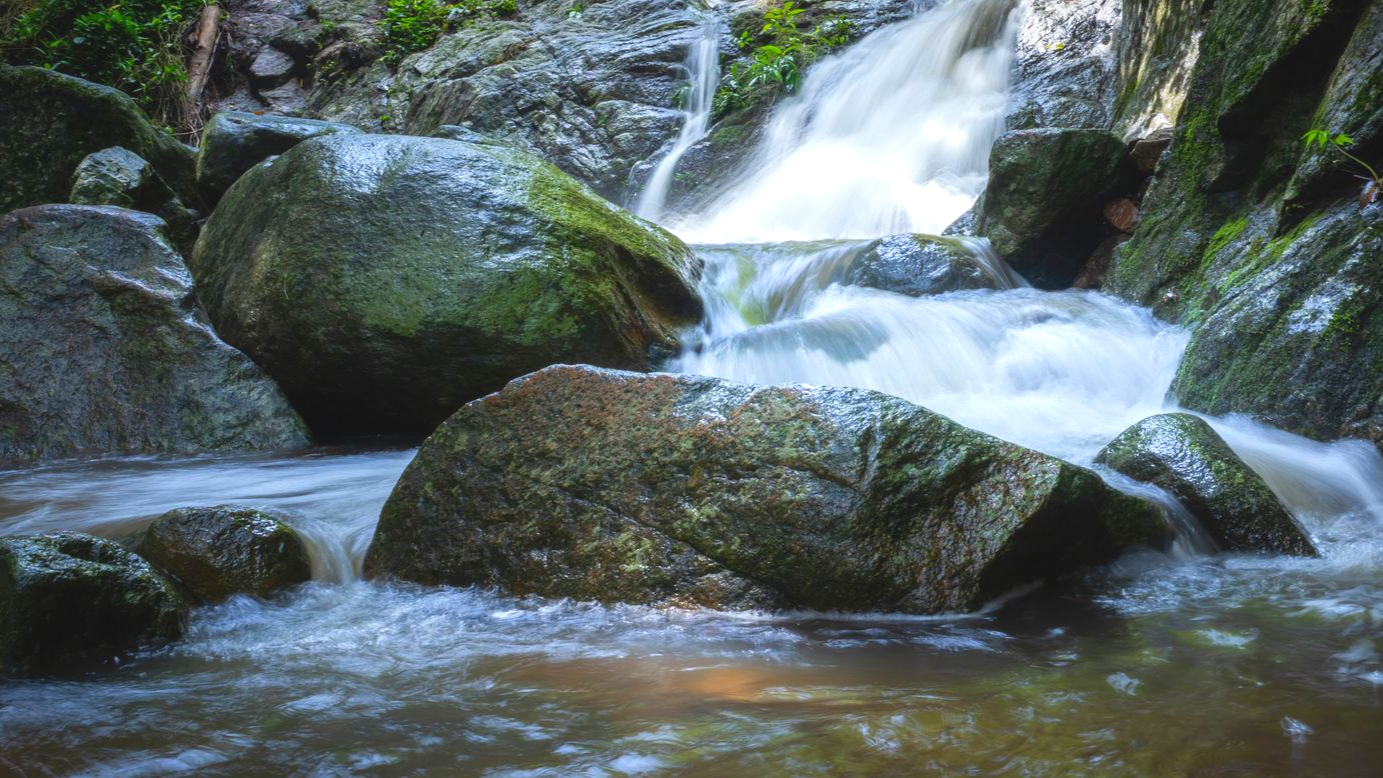
A Gentle, Water-Based Process

Instead, water cremation uses water and potassium hydroxide to reduce the body to cremated remains. By using water instead of flame, the cremation process requires less energy and creates fewer emissions (green cremation produces roughly 90% less carbon emissions than traditional flame cremation).
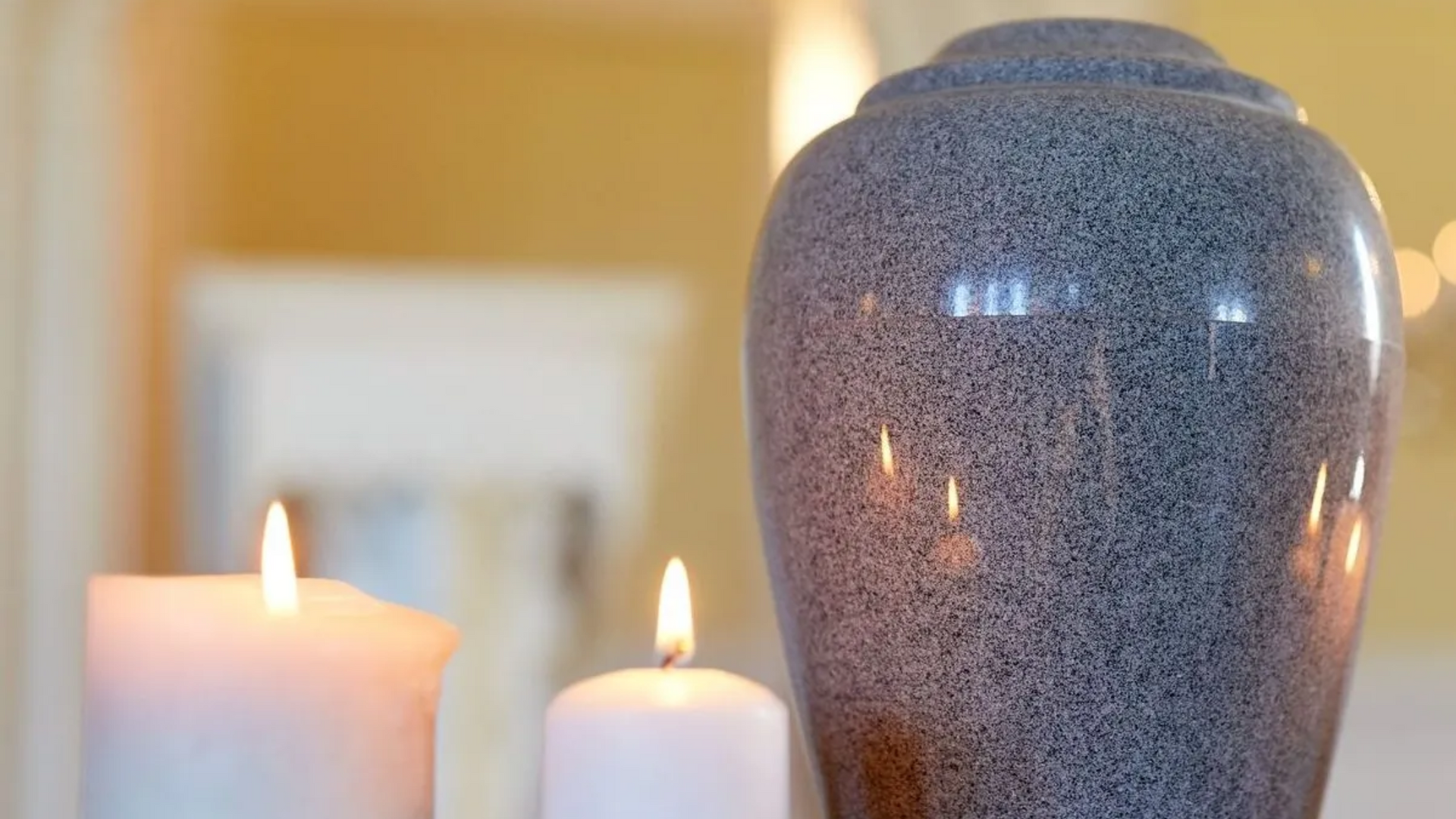
Honoring Your Loved One

After the process is complete, the cremated remains (or ashes) will be returned to the family, so they can honor and memorialize their loved one in a personalized way.

Honoring Your Loved One

After the water cremation process is complete, the cremated remains (or ashes) will be returned to the family, allowing them to honor and remember their loved one in a personal and meaningful way. Families may also choose to hold a visitation, memorial service, or celebration of life before or after water cremation, just as they would with other forms of disposition.

Have Questions About Water Cremation?

Our knowledgeable team is here to help you understand the process, discuss your options, and provide the information you need to make an informed decision.

Frequently Asked Questions

  • How does water cremation work?

    In aquamation, gentle water flow, temperature, and alkalinity are used to break down organic materials. Aquamation cremation uses a solution of 95% water and 5% alkali, which is later cleaned and recycled back to the land. The mineral remains are then carefully dried and returned to the family, just like with traditional flame cremation.

  • What makes water cremation environmentally friendly?

    Water-based cremation uses 90% less energy than flame cremation, which means that aquamation has a lower impact on the environment. The process uses less water than a single household in a day, and water will be cleaned and recycled back to the land. Plus, with aquamation, no fossil fuels are burned, and there are no direct emissions of harmful greenhouse gases or mercury.

  • Is water cremation legal?

    Water cremation is legal in many states, including Minnesota, although it has not yet been legalized in Wisconsin. However, families in Wisconsin can still choose water cremation by having their loved one transported to our Minnesota location, where the service is legally available. Our team can guide you through the process and answer any questions you may have.

  • How long does water cremation take?

    From start to finish, the aquamation process takes about 24 hours.

  • Do you still get ashes/cremated remains back?

    Yes! In fact, with aquamation, you receive about 20% more ashes than with traditional cremation.

  • What can be done with ashes from water cremation?

    You have the same options with water cremation ashes as you do with any other ashes. You can place the ashes in an urn, scatter them, create memorial keepsakes, or explore many other options!

  • Can I still have a service if I choose water cremation?

    Yes! With water cremation, you still have all the same options as traditional cremation, like having a viewing, a funeral service, or a memorial service. Having a service can help your family begin your grief journey on the right foot, so we encourage you to explore your service options.

How Would You Like to Honor a Life?

Every family is unique, and every life deserves to be remembered in a personal way. Whether you choose burial, cremation, water cremation, or terramation, we're here to help you create a meaningful service that reflects your loved one's life, values, and wishes.
